

Introduction:
A high-quality ball screw (like Baili's SFU2005) is the cornerstone of long-term, stable equipment operation. However, improper use and maintenance can significantly shorten its service life. Mastering the following five key measures can effectively protect your investment and reduce downtime.
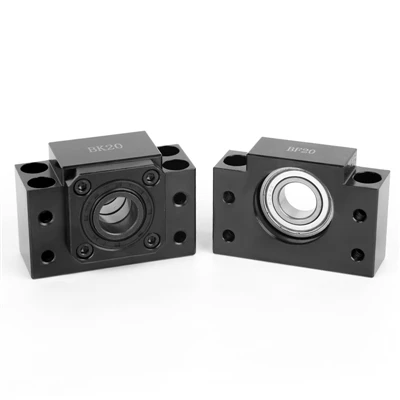

Correct Installation and Alignment
Improper installation is the leading cause of premature ball screw failure. Ensure the supporting blocks for the screw and bearing seats are sufficiently rigid and the mounting base is flat. The screw axis must be parallel to the guide rails, and the nut mounting surface must be perpendicular to the screw axis. Careful calibration using a dial indicator is an essential step.
Effective Dust Protection and Sealing
Contaminants (e.g., dust, chips, liquids) are the "number one killer" of ball screws. They accelerate the wear of the balls, screw, and nut. Equipping the screw with suitable protective covers (e.g., bellows) and using nuts with built-in seals is crucial. In harsh environments, higher-level sealing solutions are required.
Adequate and Proper Lubrication
Lubrication aims to create an oil film between rolling contact surfaces to reduce wear and frictional heat. Always select the appropriate grease or oil based on the manufacturer's recommendations and the operating environment, and establish a regular lubrication maintenance schedule. For the SFU2005, we recommend using high-speed lithium-based grease or equivalent.
Avoid Overload and Shock Loads
Ensure your application load is within the screw's rated dynamic and static load capacities. Severe shock loads can crush the balls or cause brinelling on the raceways, leading to permanent damage. In applications where shock is unavoidable, consider selecting a model with a higher load rating or implementing cushioning measures.
Regular Inspection and Maintenance
Establish a regular inspection routine. Listen for abnormal noises during operation, check for excessive temperature rise, and periodically inspect the nut for axial backlash. If loss of preload, increased vibration, or noise is detected, adjustments should be made promptly or contact us for repair to prevent the problem from worsening.

Conclusion:
In addition to the above measures, it is also important to train operators on the proper use and handling of ball screws. Incorrect operation, such as sudden starts and stops or improper loading techniques, can put unnecessary stress on the ball screw and lead to premature failure. By educating operators on best practices, you can further extend the service life of your ball screw. Moreover, keeping detailed maintenance records is advisable. Documenting each inspection, lubrication, and repair allows you to track the ball screw's performance over time and identify any recurring issues. This information can be invaluable when making decisions about future maintenance or replacement. Lastly, consider implementing a preventive maintenance program. Rather than waiting for a problem to occur, a preventive maintenance schedule can help you anticipate and address potential issues before they cause significant downtime. By proactively maintaining your ball screw, you can ensure its long-term, stable operation and protect your investment.
Treat the ball screw as the core lifeline of your equipment. Through professional installation, strict protection, consistent lubrication, standardized operation, and regular inspection, you can maximize its performance and ensure stable operation for years to come.